How Vitamins May Help Support ADHD Symptoms
Attention-Deficit Hyperactivity Disorder (ADHD) affects millions of children and adults worldwide, influencing focus, concentration, mood, and daily functioning. While ADHD is commonly managed through behavioral strategies and, in some cases, medication, growing interest surrounds the role of nutrition—particularly vitamins and nutrients—in supporting brain health.
Although vitamins are not a cure for ADHD, research suggests that certain nutrients may help support cognitive function, neurotransmitter balance, and overall mental well-being when used as part of a healthy lifestyle.


ADHD Focus and Concentration: Why Nutrition Matters
The brain relies on a steady supply of vitamins and minerals to function efficiently. For individuals with ADHD, challenges with ADHD focus and ADHD concentration are often linked to how the brain processes neurotransmitters—chemical messengers that regulate attention, motivation, and mood.
Nutrient deficiencies may contribute to suboptimal brain signaling, making it harder to maintain attention or regulate impulses. Supporting the brain with key vitamins can help optimize these processes.
ADHD Dopamine Levels and Brain Function
Dopamine plays a central role in motivation, reward, and attention. Many ADHD symptoms are associated with low or inefficient ADHD dopamine levels, which can affect task completion, motivation, and sustained focus.
Certain vitamins and nutrients—such as B-complex vitamins, iron, and amino-acid-related compounds—support the body’s ability to produce and regulate dopamine. When dopamine pathways are better supported, some individuals report improvements in attention span and mental clarity.
ADHD and Serotonin: Mood, Calm, and Balance
In addition to dopamine, serotonin is another key neurotransmitter involved in emotional regulation and calmness. The connection between ADHD and serotonin is especially relevant for individuals who experience mood swings, anxiety, or emotional dysregulation alongside attention difficulties.
Vitamins such as vitamin B6, vitamin D, and magnesium contribute to serotonin synthesis and regulation. Balanced serotonin levels may help promote emotional stability, which can indirectly support better concentration and focus.
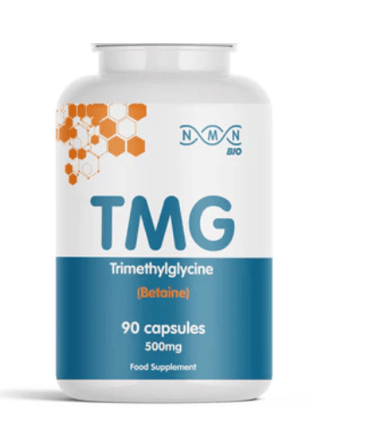
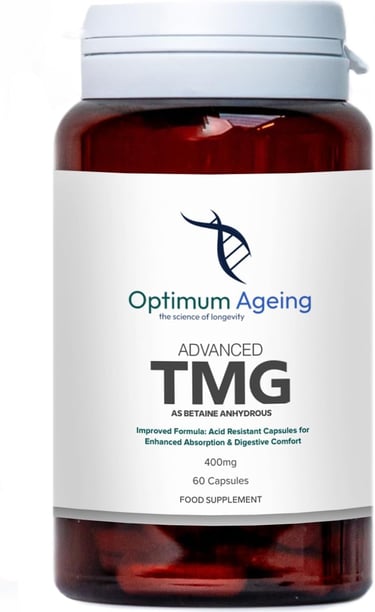
Trimethylglycine and Cognitive Support
Trimethylglycine, also known as betaine, is a naturally occurring compound involved in methylation—a vital biochemical process that supports brain function and neurotransmitter activity.
Methylation plays a role in the production of dopamine and serotonin, making Trimethylglycine of interest in discussions around ADHD nutritional support. While research is still emerging, this nutrient may help support mental energy, focus, and overall cognitive performance when included as part of a balanced diet or supplement plan under professional guidance.
A Holistic Approach to ADHD Support
Vitamins and nutrients are most effective when combined with healthy lifestyle habits such as:
Balanced, whole-food nutrition
Regular physical activity
Adequate sleep
Structured routines and behavioral strategies
For many people, nutritional support may complement—but not replace—other ADHD management approaches.
Important Disclaimer
This article is for informational purposes only and is not medical advice. Vitamins and supplements may not be suitable for everyone, and individual needs can vary widely. Always consult a qualified healthcare professional or doctor before starting, stopping, or changing any supplements or treatment plan, especially for ADHD.