ADHD Interrupting: How ADHD Impulsivity and the ADHD Brain Drive Compulsive Interruptions
ADHD interrupting is a common but misunderstood behavior. Many people assume it’s rude or intentional, but in reality, interrupting is often caused by ADHD impulsivity, differences in the ADHD brain, and a strong internal compulsion to speak before a thought disappears.
For people with ADHD, interrupting isn’t about ignoring others—it’s about managing how their brain processes information in real time.
Why does ADHD interrupt happen?
The ADHD brain processes conversations quickly. While someone else is speaking, your brain may already be:
Predicting what they’ll say next
Connecting their words to your own experiences
Creating responses you fear you’ll forget
This fast processing makes ADHD interrupting more likely, especially in stimulating conversations.
ADHD impulsivity creates a compulsion to speak
ADHD impulsivity reduces inhibition. This means the urge to speak can feel automatic rather than deliberate.
For many people with ADHD, interrupting feels like a compulsion—an intense pressure to say something immediately. Waiting can feel uncomfortable or even distressing because the thought may vanish if it’s not expressed right away.
Combat restless energy with these tools:
Working memory makes waiting difficult
The ADHD brain struggles with working memory. Holding a thought while listening is hard, especially in longer conversations.
This creates a dilemma:
Interrupt and risk being misunderstood
Stay quiet and lose the thought entirely
ADHD interrupting is often the brain choosing expression over loss.
ADHD interrupting and ADHD masking
Because interrupting is frequently criticized, many people with ADHD develop ADHD masking habits.
Common masking behaviors include:
Staying silent in conversations
Overthinking every response
Monitoring speech excessively
Avoiding group discussions
ADHD masking can reduce interrupting, but it often increases anxiety and emotional exhaustion.
Use pause strategies instead of suppression
Trying to “stop interrupting” rarely works. Instead, use strategies that support the ADHD brain:
Take one slow breath before speaking
Ground your hands or feet
Repeat the speaker’s last sentence silently
These techniques reduce impulsivity without relying on shame.
Externalise thoughts to reduce compulsion
Writing down a keyword or note helps reassure your brain that the thought won’t be lost. This lowers the compulsion to interrupt and improves listening.
Use collaborative language
Simple phrases like:
“Can I add something quickly?”
“I have a related thought—should I share now?”
These make ADHD interrupting feel respectful and intentional.
Reduce ADHD masking with safe people
Explaining ADHD to trusted people can help:
“If I interrupt, it’s because I’m engaged and don’t want to lose the thought.”
Reducing ADHD masking leads to more natural, less stressful communication.
Is ADHD interrupting a character flaw?
No. ADHD interrupting is a neurological trait linked to ADHD impulsivity, working memory differences, and how the ADHD brain processes information.
Understanding this allows you to manage interrupting with strategies—not self-blame.
Final thoughts
ADHD interrupting is not a failure of manners. It’s a signal that your brain works differently.
With awareness, support, and practical tools, you can reduce compulsive interrupting while staying authentic—without masking who you are.
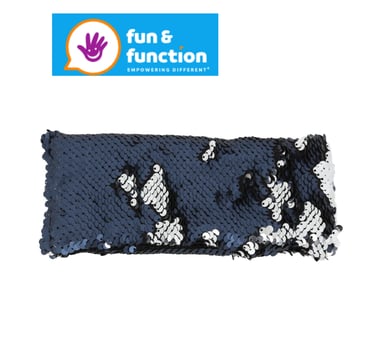
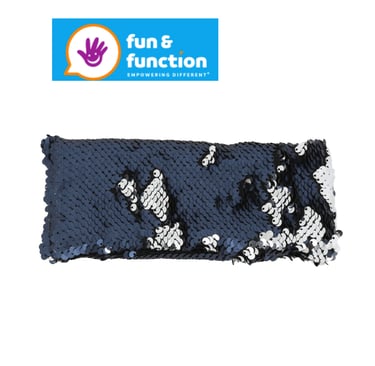
Weighted Sequin Fidget