How to Declutter With ADHD (Without the Overwhelm)
Decluttering can feel especially hard when you have ADHD. What starts as a simple intention to “tidy up” can quickly turn into ADHD clutter anxiety, task paralysis, and a sense of failure before you’ve even begun. If that sounds familiar, you’re not alone — and you’re not doing it wrong.
The key is to stop trying to declutter like a neurotypical person and start working with your ADHD brain.
Why Decluttering Is So Hard With ADHD
For people with ADHD, clutter isn’t just physical — it’s mental.
Too many items trigger decision overload
Not knowing where to start leads to task paralysis
Out-of-sight systems don’t stick
Perfectionism creates pressure to “do it properly or not at all.”
This is why traditional advice like “just put things away” or “declutter one room at a time” often backfires.
Reframing Clutter: From Failure to Function
Before touching anything, it helps to reframe what clutter means for you.
Many people with ADHD live in controlled chaos — spaces that look messy but make sense to them. The goal of decluttering isn’t minimalism or Pinterest-perfect rooms. It’s reducing friction, anxiety, and mental load.
Ask yourself:
Does this clutter stop me from using my space?
Does it increase stress or ADHD clutter anxiety?
Or does it actually help me function?
If it works, it stays.
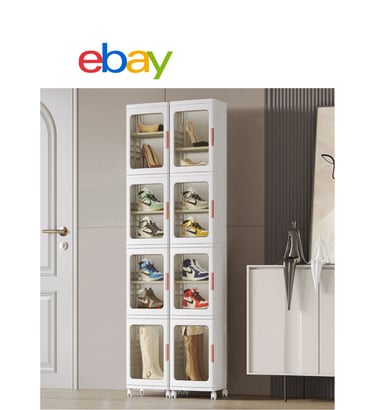
These products provide visible storage, which is said to help:
Decluttering Strategies That Work With ADHD
1. Shrink the Task Until It Feels Almost Too Easy
Large goals trigger task paralysis. Instead of “declutter the bedroom,” try:
One drawer
One surface
Five minutes
Stopping early is allowed. Progress beats burnout.
2. Reduce Decision Overload With Simple Rules
Too many choices cause decision overload. Use fast, repeatable rules:
If I haven’t used it in a year → donate
If it causes guilt → let it go
If I forgot I owned it → question why I’m keeping it
No debating. Momentum matters more than perfect decisions.
3. Create ADHD-Friendly Storage
If something doesn’t have a visible, easy home, it will become clutter again.
Try:
Open baskets instead of drawers
Clear containers
Grouping items by use, not category
This supports controlled chaos without creating a mess.
4. Separate “Tidying” From “Decluttering.”
Doing both at once increases overwhelm.
Decluttering = deciding what stays
Tidying = putting things away
Do them on different days if needed. This reduces cognitive load and prevents task paralysis.
5. Use Time, Not Motivation
Waiting to “feel ready” rarely works with ADHD.
Instead:
Set a 10-minute timer
Play music or a podcast
Stop when the timer ends — even if you’re mid-task
Short bursts reduce ADHD clutter anxiety and build trust with yourself.
What to Do When You Get Stuck
If you freeze:
Name it: “This is task paralysis.”
Change the task (switch rooms or surfaces)
Lower the bar even further
Doing something small breaks the loop of avoidance.
Decluttering Is Ongoing — and That’s OK
With ADHD, clutter will come back. That doesn’t mean you failed.
Decluttering isn’t a one-time event — it’s a support system you return to when decision overload or anxiety builds up again. Progress looks like learning what works for your brain, not maintaining perfection.